Author

Donald Phillips

Browsing

2023 is only two years away, but in the fast-changing world of web design, that’s an entire era. As a business owner, it’s critical to keep your website up-to-date and connected with the latest trends to remain competitive in the modern market. To help you stay ahead of the game, we’ve compiled a list of the top web design trends for 2023.

1. Dark Mode

Dark mode is a design trend that has been slowly increasing over the last few years. It’s a colour scheme optimised for low-light environments, creating a black background with light text. Dark Mode is hugely popular among mobile users, and it’s a trend that is only going to grow in popularity in the coming years. Aside from being aesthetically pleasing, dark mode also helps reduce eye strain, especially when using screens for long periods.

2. Minimalism

The minimalist design is popular for its clean and sleek look, focusing on basic features and minimal use of colours and graphics. It’s an appealing type of design, making web pages look easy to read and navigate, which is essential for users. Minimalistic design follows the mantra of “less is more.” It’s functional and sensible, the ideal approach for any website looking to appeal to Millennials who desire efficiency and quick access to information. In 2023, simple and straightforward website design will be king.

3. Virtual/Augmented Reality

The terms Virtual, Augmented and Mixed Reality refer to a range of experiences that simulate our reality or enhance it, creating a more immersive experience. These technologies are taking the entertainment world by storm, but they also have vast implications for web design. Virtual/Augmented reality provides a unique and exciting insight into what interactive engagement can provide. In 2023, it will become a standard feature for organisational websites, giving them the unique opportunity to promote products or services with tremendous 3D engagement. It allows users to interact with products virtually, which promotes client service.

4. Better Personalisation

The days of one-size-fits-all web design are over. Personalisation is a crucial aspect of web design, and in 2023, it will become a core feature for all business websites. Artificial Intelligence (AI) is at the forefront of this web design trend. Clients will benefit, as AI can personalise their experience by showing tailored recommendations and solutions based on their preferences and previous interests. AI is a tool for cost-efficient service provision. It can identify user patterns, suggestions, qualifications, and data information that helps websites improve. In 2023, all web sites must be optimised to meet personalised solutions.

5. Increased Attention to Accessibility

Accessibility is always a crucial aspect of web design, ensuring that websites are accessible to all users. In 2023, accessibility will be vital, and there will be even more focus on ensuring that websites are optimised for individuals with disabilities. Accessible web design involves optimising a website’s layout, fonts, and colours. It also includes enabling pause and voice-command in videos that improve the user’s retention. In the coming years, websites that prioritise accessibility will have a more significant advantage.

Why 2023 is the Time for a New Website

As the world changes, and new technology is developed, web design needs to change with it. A website that was designed five years ago is no longer fit for purpose in many cases. As we have gone through the web design trend list above, we can see that the 2023 website is expected to be slick, minimalistic, interactive, personal, and accessible. It will feature a personalised user experience that is built around client desires and with optimization to guarantee accessibility.

If your website design does not reflect the above trends, It’s not too early to start planning a new business website to take advantage of these emerging web design trends. Clients desire an improved and easier online experience and catering to the above desires guarantees a product that will last well into the future.

In summary, a cutting-edge website design is crucial for businesses looking to be competitive in the modern world. These upcoming web design trends can only benefit businesses, improving the customer experience, and keeping up to date with changing times. As we’ve outlined above, there are many benefits to being proactive and upgrading your website as soon as possible. The website of 2023 is set to be sleek, interactive, and personalised – and those who jump ahead of the curve will be those who ultimately succeed. Searching for things such as Website Design North Yorkshirewill help you to find some of the leading web designers in the UK.
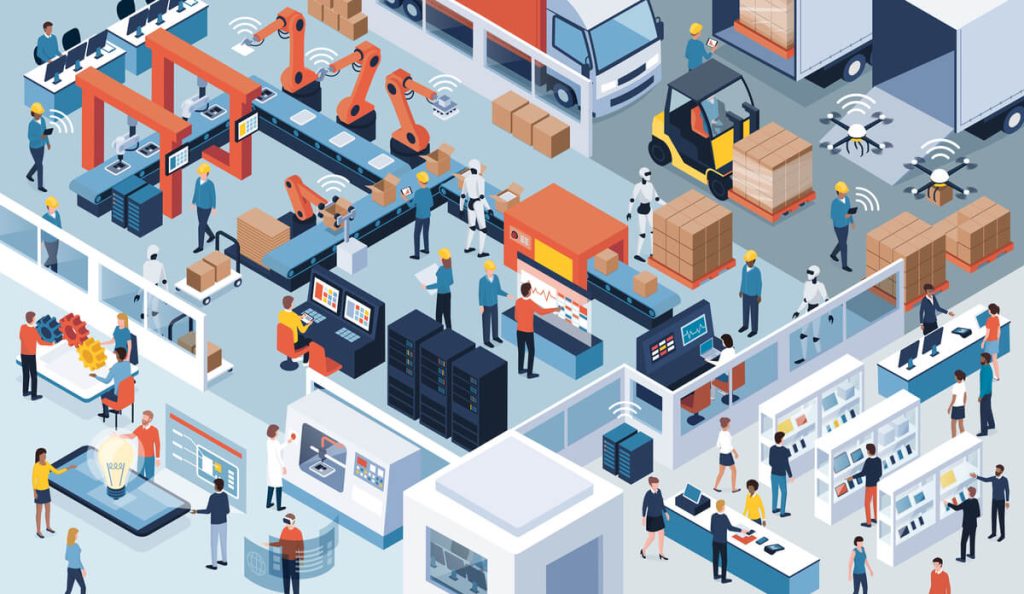
In today’s digital age, businesses have access to vast amounts of data that can help them make better decisions. However, simply collecting data is not enough; organizations need to be able to analyze and interpret this data to gain valuable insights. This is where IoT analytics comes into play. This blog will discuss how IoT analytics can aid organizations in making better business decisions. We will also explore a use case of IoT analytics in Smart Farming and discuss the benefits of IoT solutions for businesses.

IoT Analytics: Understanding the Basics

IoT stands for the Internet of Things, which refers to the network of physical objects that are connected to the internet and can collect and exchange data. IoT analytics is the process of collecting, processing, and analyzing this data to gain insights and make informed decisions. IoT analytics involves three main stages: data collection, data processing, and data visualization. Through IoT analytics, organizations can make sense of the data generated by their IoT devices and gain real-time insights.

How IoT Analytics Helps Organizations in Making Better Business Decisions

IoT analytics can help organizations make better business decisions in several ways:

  1. IoT analytics provides real-time insights, enabling organizations to respond quickly to changes and make informed decisions.
  2. IoT analytics enables predictive analytics, allowing organizations to anticipate trends and take proactive measures.
  3. IoT analytics facilitates cost savings and increased efficiency, as organizations can identify areas for improvement and optimize their operations.
  4. IoT analytics improves customer experience, as organizations can personalize their services based on customer preferences and behavior. Lastly, IoT analytics increases revenue and business growth, as organizations can identify new opportunities and innovate their products or services.

Smart Farming: A Use Case of IoT Analytics

Smart Farming refers to using technology and data analytics to improve agricultural practices and increase crop yields. Farmers face several challenges, including unpredictable weather, pest and disease outbreaks, and resource constraints. IoT solutions for Smart Farming, such as sensors, drones, and predictive analytics, can help farmers overcome these challenges and make better decisions. For example, sensors can collect data on soil moisture, temperature, and nutrient levels, allowing farmers to optimize their irrigation and fertilizer usage. Drones can provide aerial imagery of crops, enabling farmers to detect early signs of disease or pest infestations. Predictive analytics can analyze weather data and forecast crop yields, helping farmers to plan their harvesting and marketing strategies. IoT solutions for Smart Farming can lead to increased crop yields, reduced costs, and sustainable agriculture practices.

IoT Solutions for Businesses

IoT solutions are beneficial not only for the agriculture industry, but also for businesses in various sectors. IoT solutions can improve supply chain management, enhance customer experience, and optimize production processes. For example, IoT sensors can monitor inventory levels and automatically reorder supplies when stock levels are low. IoT devices can also provide real-time customer behavior and preferences data, allowing businesses to personalize their marketing and sales strategies. IoT devices can monitor machine performance and predict maintenance needs in manufacturing, reducing downtime and increasing productivity. IoT solutions can increase efficiency, reduce costs, and improve customer satisfaction.

Challenges of Implementing IoT Analytics

While IoT analytics has many benefits, there are also challenges that organizations need to consider when implementing IoT solutions:

  1. Security and privacy concerns must be addressed, as IoT devices can be vulnerable to cyber attacks and data breaches.
  2. Integrating IoT solutions with existing systems can be complex and time-consuming.
  3. Implementing IoT solutions can be expensive, requiring significant hardware, software, and infrastructure investment.
  4. Skill gaps and training requirements must be considered, as IoT solutions require specialized data analytics and programming expertise.
  5. Data overload and management can be challenging, as IoT devices can generate vast amounts of data that must be processed and analyzed effectively.

Conclusion

IoT analytics can aid organizations in making better business decisions by providing real-time insights, enabling predictive analytics, facilitating cost savings and increased efficiency, improving customer experience, and increasing revenue and business growth. A use case of IoT analytics in Smart Farming demonstrates the benefits of IoT solutions in the agriculture industry. IoT solutions are also beneficial for businesses in various sectors, but there are challenges that organizations need to consider when implementing IoT solutions. Despite these challenges, the benefits of IoT analytics make it a valuable investment for organizations looking to make better business decisions.

FAQs

A. What is the difference between IoT and IIoT?

IoT refers to the Internet of Things, which includes all connected devices used in everyday life. IIoT refers to the Industrial Internet of Things, which includes connected devices used in industrial settings, such as factories and manufacturing plants.

B. How can IoT analytics benefit small businesses?

IoT analytics can benefit small businesses by providing real-time insights and enabling predictive analytics, which can help small businesses to respond quickly to changes and anticipate trends. IoT solutions can also improve efficiency and reduce costs, enabling small businesses to compete with larger organizations.

C. How can organizations ensure the security of their IoT data?

Organizations can ensure the security of their IoT data by implementing strong cybersecurity measures, such as encryption, firewalls, and multi-factor authentication. Regular software updates and security audits are also recommended.

D. How can businesses decide which IoT solutions to implement?

Businesses should consider their specific needs and goals when deciding which IoT solutions to implement. They should thoroughly analyze their operations and identify areas where IoT solutions can provide the most value. They should also consider cost, complexity, and scalability factors when evaluating different IoT solutions. Consulting with experts in IoT and data analytics can also help make informed decisions.

E. What are some examples of IoT solutions for businesses?

Some examples of IoT solutions for businesses include sensors for inventory management, predictive analytics for supply chain optimization, smart thermostats for energy management, and connected devices for remote monitoring and maintenance. Other examples include IoT-enabled security systems, smart lighting and HVAC systems, and connected vehicles for logistics and transportation.

F. How can IoT solutions contribute to sustainable practices?

IoT solutions can contribute to sustainable practices by enabling more efficient use of resources, reducing waste, and optimizing energy consumption. For example, IoT sensors can monitor energy usage and identify areas where energy can be conserved. Smart irrigation systems can reduce water usage and prevent over-irrigation, while smart lighting systems can reduce energy consumption by adjusting lighting levels based on occupancy and daylight levels. By optimizing resource usage and reducing waste, IoT solutions can contribute to sustainable practices and reduce the environmental impact of businesses.

There are currently many different sources of information being disseminated about cybersecurity. However, a lot of small business owners have a wrong impression about it, which prevents them from making use of its advantages and puts their data in danger. When it comes to offering cybersecurity managed services, Blueshift Cybersecurity specialists have proven that they are among the best in the business. They are there to assist you in identifying the business plan that will be the most beneficial to your company and in knowing what you need.

The top five cybersecurity myths you should be aware of are revealed in the following paragraphs, along with the reasons you should immediately cease believing them. These myths need to be dispelled since they could be harmful to your company.

Myth 1: Only Big Businesses Need To Be Concerned About Cybersecurity

One of the most pervasive myths regarding computer security is this one. Companies are nevertheless resilient to the threat posed by cybercrime, despite the fact that larger enterprises may have more resources to devote to ensuring the ongoing security of their systems. Small and medium-sized businesses may be equally as vulnerable as larger firms since they frequently lack the financial means or the requisite expertise to put in place sufficient security measures.

Even if your business does not handle or store sensitive data, you still need to implement the necessary security measures to guard against unwanted access to its computer systems. Small business owners that want to safeguard their online security should take important precautions. These include employing secure passwords, regularly backing up data, ensuring that all machines connected to the network have the most recent software, and limiting access to sensitive data. No matter how big or small a company is, cybersecurity protection must be taken seriously. All firms need to do this.

Myth 2: Computer Threats Should Only Be A Concern For Known Targets

Anyone can be the target of cybercrime, from major organizations to seldom internet users and victims of cybercrime can come from all different backgrounds. Online criminals do not exhibit any preferences. That’s unrelated to what’s being discussed right now. Bad actors are constantly looking for vulnerable systems and networks to attack in order to further their own goals, which may include monetary gain, the theft of personal data, or simply interfering with your business operations. They do this to further their objectives, which may include monetary gain, the theft of personal information, or simply to disrupt your business. They act in this way to further their own objectives, which may include financial gain, the theft of personal information, or simply interfering with your business operations. They act in this way to further their own goals, which could be financial gain, the theft of personal information, or just the interruption of your business.

Sometimes it’s difficult to tell why they’re behaving in this way. Making the necessary investments and implementing a thorough cybersecurity plan is essential for defending against potential assaults. To defend oneself from any potential risks, it is possible to do so. Using strong passwords, two-factor authentication, firewalls, and any other security tools that may help to safeguard your online assets are all examples of this.

Myth 3: The Price of Cybersecurity Is Unaffordable

Businesses have the impression that it costs too much to protect their computer networks against internet-based threats. On the other hand, nothing could be further from the truth. A breach might be avoided with the help of employee training programs and investments in cybersecurity technologies. You could avoid potential damages and reputational injury that could cost you tens of thousands of dollars. Investing in cybersecurity programs and training staff. Companies should hold off on purchasing security gear and software because both are becoming more readily available and cheaper.

Businesses must place a high premium on creating a security culture within their organizations. This goal may be achieved by teaching staff members about common security dangers and enacting stringent policies to protect data from being compromised. Business owners that make the right investments won’t have to take on additional debt in order to maintain the reliability of the IT infrastructure that their companies depend on.

Myth 4: Cyberattacks Cannot Be Prevented Since There Is Nothing That Can Be Done

The truth couldn’t be further from the case than this! Despite the fact that anyone can fall victim to a cyberattack, there are steps you can take to reduce the likelihood of this. If you want to keep both your data and yourself secure, it is essential to have a layered cybersecurity plan. This is very important. This strategy involves the regular updating of your operating system and application software, the usage of firewalls, two-factor authentication, encryption software, and anti-malware programs.

Knowing the best cybersecurity practices can significantly lower a person’s likelihood of becoming a victim of a cyberattack. There are numerous ways to go about doing this. These suggested behaviors include regularly updating passwords and avoiding clicking on links in emails that the receiver did not anticipate finding. Taking precautions now could ultimately save you time and money if you choose to defend yourself against people who wish to harm you in the future.

Myth 5: Only Highly Qualified Professionals Need to Worry About Cybersecurity

Despite the widespread use of this cybersecurity myth, the reality differs greatly from what most people believe. Everyone needs to be educated on the subject of cyber security and made aware of how important it is. Even if you don’t think of yourself as an expert in technology, there are a few straightforward steps you can take to secure your data while it is stored online. Even if you don’t know much about computers, you can still do these tasks. Use strong passwords, avoid using the same password for multiple accounts, and make sure all of your devices have the most recent security updates installed.

You may make a significant contribution to preserving the integrity of cyberspace if you recognize the significance of cybersecurity and take steps to protect yourself whenever you use the internet. This is particularly true if you recognize the significance of cybersecurity and exercise caution whenever you are online.

Remember that you don’t need the expertise of an expert to make sure you won’t put yourself in danger. The best approach for business owners of any size to protect the data and software used by their companies is to call the experts at Blueshift Cybersecurity or go to their website at www.blueshiftcyber.com.

A significant cybersecurity service provider is Blueshift Cybersecurity. They offer a wide range of security options, and the homepage of their website has a feature that enables you to get answers to any questions you could have regarding the service. If you’re interested in finding out more about the capabilities of Blueshift Cybersecurity and how much assistance it may offer your company, submit a request for a demonstration.

It is not a secret that having a smart phone in Singapore helps simplify lives. You can manage your emails and appointments, receive directions, log your meals and workouts, buy, exchange information with friends, listen to music, and view movies with the proper smart phone.

It is worthwhile to take the time to conduct some research first and determine what you need, desire and can live without since smartphones are costly (and neither are the plans they occasionally demand).

Here are some reminders for choosing the best smart phone in Singapore.

5 Reminders For Looking For A Smart Phone In Singapore

1. Check Both Speed And Storage Space

Processing speed has the power to separate satisfied workers from disgruntled ones. Modern midrange business smart phone in Singapore eliminates the need to trade off speed for cost. 

However, you will require a smart phone with sufficient processing power to operate all your mission-critical business apps. Before you decide to buy a smart phone in Singapore, ensure that you check on both speed and storage capacity. It also goes the same when shopping for a laptop in Singapore. 

2. Check The Best Operating System To Choose

For many people, choosing the best smart phone in Singapore comes down to selecting the best operating system. The operating system of a smart phone serves as the platform for operating different applications.

While they can all essentially link you to the Internet, email, phone conversations, and messages, each offer its own advantages and disadvantages. Consider Apple products in Singapore, such as Apple’s iPhones, if you anticipate utilising many apps on your smartphone. 

3. Take Your Time Choosing A Smart Phone In Singapore

You can keep the smart phone for two years, carrying it everywhere and using it more frequently than any other gadget. Make sure the smartphone you choose fits your lifestyle.

Consider the tasks you intend to perform on your smart phone in Singapore and test them out on the demo phones available in the store. Check the comfort of the keyboard and how simple it is to switch between applications. Make sure the smartphone fits comfortably in your hand, pocket, or bag.

4. Establish A Budget

The smart phone cost in Singapore and the plan cost are two expenses to consider when determining how much money to spend on a smart phone. The cost of the phone is an upfront cost. Additionally, smartphone providers frequently run sales and promotions, allowing you to get options for affordable smartphones.

Consider how you want to use your smart phone in Singapore before spending so much money each month. See if you can locate a plan with less data if you intend to use your phone primarily for chatting and texting and only occasionally for email or web browsing.

5. Choose The Correct Carrier

Smart phone companies in Singapore have unique programmes, collaborate with various phone makers, and offer varying degrees of service and coverage. It would be best if you also choose whether you want to be locked into a contract or be able to use a smartphone on a pay-as-you-go basis.

If you are looking for a reputable online platform offering a one-stop subscription plan for digital devices such as a smart phone in Singapore, don’t hesitate to contact ITEZ SG for its quality products and services. 

When you decide to launch a website, then the first thing is planning, which is much more important. So, it ensures the smooth running of everything. Now, many websites are present on the internet. So, it is not possible for any business to perform better without having a website. 

The interesting thing is that you need to consider many factors before launching a website. So, you have to follow many steps for better development. Planning is the key that ensures you have not forgotten anything. 

Explore further to learn about the process of web development and web designing before launching any website. It will help you to set the worth of your web on the Search engine and market it in the right way with hiring expert web development services.

Website Development and Web Designing Process

  1. RESEARCH AND GOAL SETTING

Before starting any project, the first step is to set your goals and do some research. When you have goals, it becomes easy for you to give the right direction to your site. This way, you can achieve success in your business. 

You need almost 1-2 weeks for research and goal setting. Remember, it is the first step before creating a website. But you can ask some important questions yourself:

  • What should I do for my website accomplishment?
  • Which audience do I need to target?
  • What goals do I have for my website?

Once you set your goals, it will help your site to go in the right direction. Before goal setting, you need to think about what you like to be in your next steps. But remember, this step is much more important for you before the website launches. For better results, you can upgrade your website design.

Credit: Istockphoto

Research is very important because of many reasons suggested by Smith & Nephew. First, it will help you to visit the websites of your competitors. Then it becomes easy for you to know what you should have and what you should not have for your site. Besides, it also helps you to know what your targeted audience wants. 

  1. PLANNING THE SITE

Planning the site is another step that you need to consider. This may be the creation of a sitemap and wireframe. You should consider this step as the skeleton of your site. You need to have almost 2-6 weeks to plan your site. 

The sitemap helps the website creator to get an idea of what your site should look like. Not only this, but it also helps to know what pages your site should have. This way, you can not only plan your website. It also helps you to have a better experience.

When you can easily navigate your site, then it is time when you start developing your sitemap. Before planning the site, a sitemap helps you to know what will be your site structure. After the completion of your sitemap, the next step is the creation of a wireframe. It is the representation of your site. It is not the layout details. For this, you need to read further. 

  1. DESIGNING THE LAYOUT

The layout details help you to know what can give your site character. It is the step when you should be creative in photos and videos. This way, you will know what your clients will look when they come to the site. For this process, you need to have almost 4-12 weeks. This time may vary based on the experience and time for the project. It is vital for you to focus on the targeted audience during this step. 

You should focus on colors and logos because they encourage the audience to visit your site when you know what you should add or how to layout your site. Then it is the time when you will give life to your site. This way, your audience will interact with your service or product. Never consider written content at this step. It is the next step that you must consider. 

  1. WRITING THE CONTENT

It is an important step as other steps are important for website launching. No doubt, writing the content on your site is the key to success. However, this step occurs during many other steps. But still, it needs much expertise for a successful website. For this step, you need to have almost 5-15 weeks. When you have written content on the site, it allows customers to go to the next level. 

It is vital to draw customers in and keep them. There is a lot to consider when working on the content of the website. Never choose words that are hard to understand. Always choose the words in the content that are easy to understand. Ensure to write lower vocabulary words because not everyone can understand high vocabulary. 

Credit: Istockphoto

Besides, finding the targeted audience is very important. It is much more important in the text to give clients information. This way, customers can check which words and voices you use in writing. As a result, they can make a decision whether to read it or not. 

  1. CODING THE WEBSITE

Till now, you have done with all the important aspects of the site. Now is the best time to build a website. Coding the website is very important. It starts with the homepage and goes to the other pages of the site. It is the point where you need to follow the sitemap to do everything properly. 

For this step, you need to have almost 6-15 weeks. It is based on the content and the layout you want for your site. Besides, it is vital for the setting of frameworks and CMS. This way, it ensures that everything will fit in one server during installation. 

After the laying of the site according to the sitemap. You must test it before going further. After you have done everything, you now need to add the content and do formatting. At this step, you can get an understanding of the technology you use. If you want to do all the work on your own. Then you still need to develop a code. 

  1. TESTING AND LAUNCHING

Once you have completed the website, now it is time to launch it. But wait. Before it, you need to test it. You must check whether these links and contents are working. Checking all buttons and other things on site is not only vital. It is also vital to know what customers think of it. Before launching, user testing is very important to ensure everything is going right. This way, users will get an idea of what they should have to be successful in the test. 

The best option is the use of tools to check whether you need to change anything on the site. For this, ensure to check the content, such as grammar and spelling. Besides, you should also check whether the forms are working properly. Forms are the right way for customers to get in touch with you. It also allows customers to sign up for messages and alerts. Suppose the forms are not working properly. Then it becomes difficult for customers and you to have a successful website. 

  1. MAINTENANCE

Maybe you think that you have launched your site, and it’s over. But it is not the ending of your story. You still need to maintain your site to keep it successful for your business. No doubt, technology changes with time. So, you need to be updated with the latest technology. Though maintenance of the site is much harder, it is important. You need to care for some factors to keep your site updated. 

Firstly, you need to check for errors on the website. If there is an error on your site, it becomes annoying for the customer. So, he goes to any other site to find the required thing. Besides, errors in the site don’t allow users to get information. This way, they can’t make the right decision about what they need to do next. So, you not only need to test the site before launch, but you also need to do it after launch.

Credit: Istockphoto

For maintenance, you can explore many tools. So, download these tools on the site and check what needs to be changed. The tools give you detailed information about the performance of the site. 

Final Verdict:

Now, you have an understanding of which steps you should take to launch a website. However, it is somehow a long but worthwhile process. When you follow the given steps, it ensures you have launched the best website. So, it will be beneficial for your successful business. Remember, launching a website is not enough; you have to do many things. 

Maintenance is a key that can keep your website valuable. So, your clients become happy and want to come back to your site. So, give proper time for website creation by following these steps. This way, it can save you time and money. It is suggested to hire a web development expert that has high expertise in this field. 

Procuring a set of cash registers and POS software in Singapore is not as easy as choosing the quantity and model. There is more to the story, and that is proper planning before spending your company budget, learning how to use these things, and orienting the employees about the operations. Here are some tips you should know: 

1. Follow proper budgeting and finance procedures to ensure that your business can afford these things.

Are you starting and a bit short on capital? Consider a loan you can commit to, and limit your spending without compromising your business operations. 

2. Explore your options.

Do not focus on one POS hardware because you might miss something that works for you. Think of the time you bought a mobile phone for yourself: You probably explored brands, and should be doing the same for your retail equipment and devices. 

3. Never worry too much about financial means because you can apply for a PSG grant for a POS system

Note that you need to evaluate your eligibility, and there might be terms & conditions to follow. (Tip: Ask a representative or person in charge about these things because there might have been changes.)

4. Learn how to use cash registers because these are high-technology electronic devices that are not easy to use.

You can train employees before their starting date or provide regular seminars to keep everyone in the loop. 

5. There is an appropriate solution for your nature of business.

For example, an F&B POS system in Singapore only works for enterprises under that category, and using them in clothing or e-commerce, for example, is not suitable. 

Suntoyo Singapore offers cash registers and POS software for retail businesses. Whether you are an already-established enterprise or a starting one, they have something for you! Visit their website to learn more

Since the invention of the first car phone holder in 2001, there have been a number of different types of car phone holders in NZ that have been released on the market. With so many different types of phone holders used in cars that are available, it can not be easy to know which one is best suitable for you.

In this article, we will provide a comprehensive guide to the 5 different types of car phone holders that are available on the market. We will also provide a buyer’s guide to help you choose the right car phone holder for your needs.

Types of car phone holders:

1.   Suction cup holder:

The first type of phone holder is the suction cup holder. This type of holder attaches to your car’s windshield or dashboard with a suction cup. The advantage of this holder is that it is very easy to install and remove. However, the drawback of this type of holder is that it can be difficult to keep your phone in place if you hit a bump in the road.

2.   Dash-mount:

The second type of phone holder for cars is the dash mount. This type of holder mounts on your car’s dashboard with screws or adhesive pads. The benefit of this type of holder is that it is very sturdy and will not move around if you hit a bump in the road. However, the con of this type of holder is that it can be difficult to install and remove.

3.   Seat mount:

The third type of phone holder for cars is the seat mount. This type of holder attaches to the headrest or seat back with straps or Velcro strips. The perk of this type of holder is that it is very easy to install and remove. However, the con of this type of holder is that it can be difficult to keep your phone in place if you hit a bump in the road.

4.   Windshield mount:

The fourth type of holder is the windshield mount. This type of holder attaches to your car’s windshield with suction cups or adhesive pads. The perk of this type of holder is that it is very easy to install and remove. However, the con of this type of holder is that it can be difficult to keep your phone in place if you hit a bump in the road.

5.   Floor mount:

The fifth and final type of holder is the floor mount. This type of holder attaches to your car’s floor with Velcro strips or screws. The perk of this type of holder is that it is very sturdy and will not move around if you hit a bump in the road. However, the disadvantage of this type of holder is that it can be difficult to install and remove.

Buyer’s guide to help you choose the right car phone holder for your needs:

When it comes to choosing a phone holder for cars, there are a few things you need to consider.

1.   Type of holder:

First, you need to decide which type of car phone holder you want. The above-mentioned types will help you choose the right holder for you.

2.   Size:

Once you’ve decided on the type of car phone holder you want, the next thing you need to consider is the size. Make sure to measure your car’s dash or console to ensure that the holder you choose will fit.

3.   Features:

You need to think about the features you want in a holder. Some holders come with charging ports, while others have Bluetooth capabilities. Choose the features that are most important to you and that will make your life easier. For example, if you frequently use Google Maps to navigate, ensure that the car phone holders in NZ you choose will allow hands-free usage of your smartphone.

Android devices come with a lot of features and advantages. However, there are also some cons of using an Android device. One of them is that you cannot customize or tweak your device as much as you can with a rooted Android device. Rooting gives you complete control over your Android device. You can customize it according to your needs and requirements. In this article, we will discuss the benefits of rooting your Android device with iRoot.

Advantages of Rooting Your Android Device with iRoot:

  1. You Can Customize and Tweak Your Device:

As we mentioned earlier, rooting gives you complete control over your Android device. You can customize it according to your needs and requirements. You can install custom ROMs, kernels, and mods. You can also tweak the system settings and applications.

  1. You Can Increase the Battery Life:

Rooting your Android device with iroot can also help you increase the battery life. You can install battery-saving apps and mods which can help you save a lot of battery.

  1. You Can Install Incompatible Apps:

There are many apps that are not compatible with your Android device. However, you can install these apps by rooting your device.

  1. You Can Block Ads:

If you are tired of seeing ads everywhere, you can block them by rooting your device. There are many ad-blocking apps and mods available for rooted devices.

  1. You Can Increase the Performance:

You can also increase the performance of your rooted Android device by installing performance-enhancing apps and mods.

  1. You Can Recover Deleted Files:

There are many data recovery apps available for rooted Android devices. These apps can help you recover deleted files from your device.

  1. You Can Remove Bloatware:

Bloatware is the unnecessary apps and services that come pre-installed on your Android device. These apps and services can take up a lot of space and resources. However, you can remove them by rooting your device.

  1. You Can Take a Complete Backup of Your Device:

You can take a complete backup of your rooted Android device by using a backup app. This backup can be useful if you ever need to factory reset your device.

  1. You Can Access Hidden Features:

There are many hidden features in Android that you can access by rooting your device. These features can be very useful for you.

These are some of the advantages of rooting your Android device with iRoot. Rooting is not a complicated process and you can do it by following some simple steps.

Businesses today are looking for logistics technology that helps them become higher-value businesses. In the past, having an in-house trucking department was a good idea. However, with ever-changing regulations, the industry is changing and being more automated. This continues to require businesses to focus on their third-party logistics (3PL) software solutions that allow them to run their business efficiently while minimizing costs.

These days, most businesses are focusing on the new world of logistics. Businesses outsource all sorts of their shipping needs but there is one sector that’s growing quickly; 3PL. For those who don’t know what 3PL means, it stands for third-party logistics. A company will act as an intermediary for your company for certain supplies needed for business. The point of doing this is to cut down on costs associated with sourcing your materials fresh and whole from vendors in other countries.

What is third-party logistics (3PL) software

The majority of companies in the logistics market focus on their supply chain. However, many companies use 3PL software to provide services to third parties.

Many small businesses don’t have warehouses or trucks to transport goods from suppliers to customers. Instead, they outsource their supplies through a 3PL provider. This can be an excellent solution for businesses that don’t have the resources to build and operate their supply chain.

The great thing about using a 3PL is that you get all the benefits of having your fleet of trucks and storage facilities at an affordable price with no risk involved!

Logistic has the right solutions for you

Logistics is a key component of any business. That’s why they offer a wide range of logistics solutions, including integrated solutions and software to help you manage your entire supply chain.

Whether your business focuses on the import and export of goods or the delivery of services, they have the right solution for you.

With their integrated solutions, you can reduce costs and improve efficiency by managing your entire supply chain from a single location. Their 3PL software solutions allow you to track inventory levels, prices, and usage rates from a single screen.

The best thing about these solutions is that they allow businesses to focus on what they do best — growing their businesses — instead of worrying about logistics technology issues.

Third-party logistics (3PL) refers to companies that store and transport products

When it comes to logistics software, businesses need a solution that can handle the complexity of 3PL operations. This is where third-party logistics (3PL) software comes in.

While many businesses focus on the operations of their Warehouse management system, some companies choose to outsource their operations to third-party providers. Third-party logistics (3PL) refers to companies that store and transport products for other businesses on behalf of their customers.

The most common type of business using 3PL software is large retailers. These companies typically operate several warehouses around the country and use 3PL software to manage each warehouse in detail. The software allows them to track inventory levels and report when items are sold or shipped out so they can be restocked accordingly. The 3PL software also allows them to manage shipping rates for different areas with different shipping costs based on distance from the warehouse. This helps cut costs by sending goods further away from the main warehouse so they don’t have to pay as much for shipping costs because they are more distant from the center point of distribution.

The logistics industry is highly competitive

The logistics industry is highly competitive, with many businesses vying for a share of the market. With so much competition, companies need to focus on what they do best and avoid the unnecessary costs that come with unnecessary software.

For example, if you’re an eCommerce retailer, you probably need a fleet of delivery trucks and drivers that can get your products to customers in time for them to receive them on time. However, if you’re an eCommerce business, there are many other things that you could be doing with your resources — things like creating new products or services and expanding into new markets.

The point is: that there are plenty of other things that your business can be doing with its resources than relying on third-party logistics (3PL) software to manage the transportation of goods from one place to another.

Large businesses need the best in logistics technology and warehouse management systems. They want to focus on efficiency to reduce costs and increase profits. They’ll take a look at your product catalog, then compare it to what they already have. Based on that, they’ll go through a bunch of different vendors before making a choice.

Businesses especially those in the logistics industry are often inundated with challenges daily. From ordering goods from vendors and retailers to trucking them to customers, keeping records of all transactions is the key to running a successful business. Another challenge these businesses face is their inability to manage their many suppliers more efficiently and effectively. These challenges can make it difficult for businesses to stay competitive and tap into new markets rapidly.

Businesses needing logistics technology 

Businesses like yours are growing rapidly, and you’re looking for solutions to help you keep up. They understand the challenges of your industry, and they are ready to help you find a solution that fits your needs. Their team has years of experience in the logistics sector, and they are ready to put that knowledge to work for you.

Their solutions will help your business increase efficiency by optimizing its processes. You can rest assured that their team knows how to leverage technology to make your operation run smoothly. They focus on driving results by working closely with their clients so that they can see exactly what they are doing on their behalf.

The software helps you organize all kinds of data related to your warehouse operations

Warehouse management systems (WMS) are an integral component of the supply chain and logistics industry. They help companies to run efficient warehouses, manage inventory, and track orders.

The software helps you organize all kinds of data related to your warehouse operations: stock levels, order locations, and tracking information, among others. These systems can also be used for managing other aspects of your business such as sales forecasting or customer relationships.

To get the most out of these systems, you need a reliable supplier who can provide high-quality hardware and software products at competitive prices. You can get 

More info about Businesses needing logistics technology and focusing on warehouse management systems and software here. 

Warehouse management systems are quite affordable

If you’re in the business of logistics, you need sophisticated software to run your warehouse. A lot of warehouse management systems (WMS) are designed for large companies with large budgets and staff, who can afford the cost of a custom solution. But what if you’re a mid-size business whose needs are similar but your budget is much smaller?

That’s where cloud-based WMS solutions come in. They’re quite affordable, and they can even be free if you only need basic functions such as inventory management and order processing.

Cloud-based WMS software offers many benefits over traditional on-premise solutions:

Cloud-based WMS systems don’t require additional infrastructure investments or ongoing maintenance costs that might limit your growth opportunities if you don’t have the resources available to upgrade your infrastructure at will.

The ability to save money by outsourcing some of the tasks that used to be done by your own IT department – including data storage and backup, monitoring, etc., can reduce overhead costs for your business in other areas too.

The eCommerce industry is booming by providing a hassle-free experience for customers

The eCommerce industry is booming, but it’s not just about selling products. It’s also about providing a hassle-free experience for customers and making sure they get what they need when they need it. 

Businesses need to be able to manage their processes to keep up with the demands of an ever-changing world. From customer service to e-commerce, BPM software helps businesses streamline their operations, increase efficiency and cut costs.