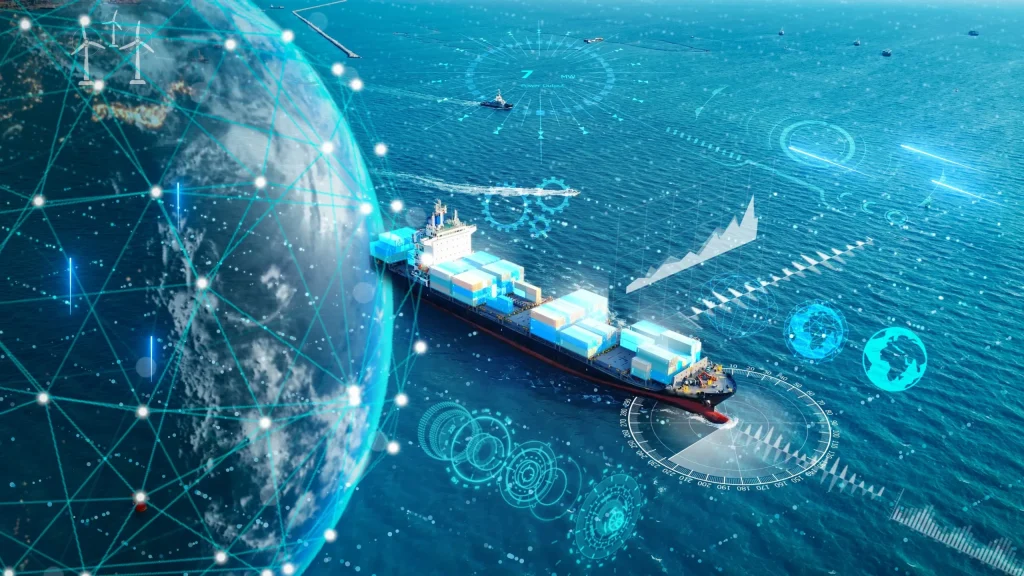
The maritime industry, traditionally known for its reliance on paper logs, manual reporting, and fragmented communication, is undergoing a seismic shift. For decades, ship managers navigated a sea of spreadsheets and noon reports, often making critical decisions based on delayed or incomplete data. However, the tide has turned.
Today, we are witnessing a fundamental transformation in how fleets are operated, maintained, and monitored. This article explores how digitalization is revolutionizing ship management operations, turning traditional vessels into smart, data-driven assets. By integrating advanced technologies, ship managers are not only cutting costs but also enhancing safety, compliance, and environmental sustainability.
In the following sections, we will delve into the specific technologies driving this change, the operational areas seeing the biggest impact, and what the future holds for digital maritime management.
The Shift from Reactive to Proactive Management
Historically, ship management was largely reactive. Machinery was fixed after it broke, fuel consumption was analyzed after the voyage ended, and compliance issues were often discovered during inspections. Digitalization flips this script entirely.
By harnessing the power of real-time data, ship managers can now adopt a proactive stance. Sensors on board vessels transmit streams of data to shore-based control centers, allowing for instantaneous visibility into every aspect of a ship’s performance. This shift doesn’t just save time; it fundamentally changes the business model of shipping. It moves the focus from “putting out fires” to preventing them from starting in the first place. This transition is the core of how digitalization is revolutionizing ship management operations, creating a seamless link between the vessel at sea and the office on shore.
Key Technologies Driving the Revolution
The digital transformation of ship management isn’t reliant on a single tool. Instead, it is powered by a convergence of several cutting-edge technologies that work in harmony.
Internet of Things (IoT) and Sensor Technology
The backbone of modern digital ship management is the Internet of Things (IoT). Thousands of sensors are now embedded in engines, cargo holds, and navigation systems. These sensors continuously monitor parameters such as temperature, pressure, vibration, and fuel flow. This constant stream of data provides an accurate, second-by-second pulse of the vessel’s health, replacing the subjective and often error-prone manual logs of the past.
Cloud Computing and Connectivity
Data is useless if it stays trapped on a ship in the middle of the ocean. Advancements in satellite communications (VSAT, LEO satellites) and cloud computing allow this data to be transmitted to shore efficiently. Cloud-based ship management software ensures that stakeholders—from technical superintendents to fleet directors—can access the same information from anywhere in the world. This democratization of data breaks down silos between departments and ensures everyone is working from the same “single source of truth.”
Big Data Analytics and AI
With terabytes of data flowing from fleets, human analysis is no longer sufficient. This is where Big Data analytics and Artificial Intelligence (AI) step in. AI algorithms process vast datasets to identify patterns that humans might miss. For example, an AI system might notice a slight increase in fuel consumption correlated with specific weather conditions and engine loads, suggesting a need for hull cleaning long before a human operator would detect the inefficiency.
Digital Twins
A “Digital Twin” is a virtual replica of a physical ship. By feeding real-time data from the physical ship into the digital model, managers can simulate various scenarios. They can test how a vessel would perform on a specific route under predicted weather conditions or simulate the wear and tear on engine components. This allows for highly accurate performance forecasting and risk management.
Transforming Core Operational Areas
Digitalization is not just a buzzword; it is reshaping specific, tangible areas of ship management. Here is how different departments are benefitting.
Technical Management and Predictive Maintenance
Perhaps the most significant impact is on technical management. Traditional “planned maintenance systems” relied on running hours—changing a part every 5,000 hours whether it needed it or not.
Digitalization enables predictive maintenance. By analyzing vibration and heat sensors, systems can predict when a component is about to fail. This allows crews to replace parts only when necessary but before a breakdown occurs. The result is a drastic reduction in downtime, lower spare part costs, and the elimination of catastrophic mechanical failures.
Crew Management and Welfare
Managing a global workforce of seafarers is logistically complex. Digital platforms streamline the crewing process, automating scheduling, visa handling, and certification tracking. Beyond logistics, digitalization improves crew welfare. Better internet connectivity allows crew members to stay in touch with families, access online training, and even receive telemedicine support. A connected crew is generally a happier, safer, and more productive crew.
Procurement and Supply Chain
The procurement process in shipping has notoriously been slow and opaque. Digital platforms are revolutionizing this by connecting buyers directly with suppliers. Automated inventory systems on board can trigger requisition orders when stock levels drop below a certain point. This reduces the administrative burden on the Master and ensures that critical spares and provisions are always available, optimizing working capital and reducing logistics costs.
Compliance and Reporting
The regulatory landscape in shipping is becoming increasingly strict, particularly regarding emissions (CII, EEXI). Manual reporting of emissions data is prone to errors and creates massive administrative workloads. Digital tools automate the collection and reporting of this data, ensuring 100% accuracy and compliance with bodies like the IMO and EU. Automated logs also reduce the risk of fines and detention by Port State Control.
Challenges in the Digital Journey
While the benefits are clear, the road to digitalization is not without obstacles. It is important to acknowledge the hurdles ship managers face during this transition.
- Cybersecurity Risks: As ships become more connected, they become vulnerable to cyberattacks. Protecting operational technology (OT) and information technology (IT) systems from hackers is now a critical safety requirement.
- Data Standardization: With so many different equipment manufacturers and software providers, getting different systems to “talk” to each other can be difficult. The industry is still working towards universal data standards.
- The Human Element: Technology is only as good as the people using it. There is a significant skills gap in the industry. Seafarers and shore staff need training to interpret data and manage complex digital systems effectively. Resistance to change remains a cultural hurdle in some traditional shipping companies.
Future Trends: What Lies Ahead?
The revolution is far from over. As we look to the future, several trends promise to further deepen the impact of digitalization.
Autonomous Functions
While fully autonomous, unmanned ships may still be years away for international trade, we will see increased autonomy in specific functions. Automated navigation assistance, auto-docking systems, and remote-controlled machinery operations will become standard, reducing the cognitive load on crews.
Blockchain for Transparency
Blockchain technology has the potential to revolutionize maritime documentation. Smart contracts could automate payments and cargo release processes, while a blockchain ledger could provide an immutable record of a ship’s maintenance history and component provenance, boosting resale value and trust.
Integration with Green Technology
As the industry pushes towards decarbonization, digitalization will be the enabler. Managing new, complex fuels like ammonia or hydrogen will require precise, digital monitoring systems to ensure safety and efficiency. Digital tools will be essential for calculating carbon footprints and trading carbon credits in real-time.
Frequently Asked Questions (FAQs)
Q1: What exactly is digitalization in ship management?
Digitalization in ship management refers to the use of digital technologies—such as IoT sensors, cloud software, AI, and data analytics—to transform traditional manual processes into automated, data-driven operations. It encompasses everything from monitoring engine health remotely to automating crew scheduling.
Q2: How does digitalization save money for ship owners?
It saves money primarily through efficiency. Predictive maintenance prevents costly breakdowns and unnecessary part replacements. Route optimization reduces fuel consumption. Automated procurement ensures better pricing and inventory control. Additionally, it reduces administrative man-hours, allowing staff to focus on higher-value tasks.
Q3: Does digitalization replace the need for human crew?
No, not in the immediate future. Instead of replacing crews, digitalization augments their capabilities. It removes repetitive administrative tasks and provides crew members with better tools to make safe decisions. The role of the seafarer is evolving into that of a systems manager rather than just a machinery operator.
Q4: Is digital ship management only for large fleets?
Initially, large fleets led the way due to investment costs. However, the cost of sensors and software has dropped significantly (SaaS models). innovative digital solutions are now accessible and beneficial to small and medium-sized ship managers as well.
Q5: How does digitalization help with environmental regulations?
Digital tools provide precise, automated measurement of fuel consumption and emissions. This data is essential for complying with regulations like the IMO’s Carbon Intensity Indicator (CII). It allows managers to track their ratings in real-time and make operational adjustments to avoid non-compliance penalties.
Final Words
The maritime industry stands at a crossroads, and the path forward is digital. We have explored how digitalization is revolutionizing ship management operations, and the evidence is compelling. This transformation is not merely about upgrading software; it is about adopting a new mindset where data drives decision-making.
For ship managers, the choice is no longer whether to digitize, but how fast they can adapt. Those who embrace these innovations will find themselves with safer, cleaner, and more profitable fleets. Those who cling to the manual methods of the past risk being left behind in an increasingly competitive and regulated global market.
Digitalization offers a clear vision of the future: a maritime ecosystem that is transparent, efficient, and sustainable. As technology continues to evolve, the synergy between human expertise and digital intelligence will define the next generation of maritime excellence.